Smarter Farming Through
Precision Soil Intelligence
Tierra Metrics works with growers and land managers to monitor soil and reduce fertilizer overuse, saving money and time while making agriculture more resilient.
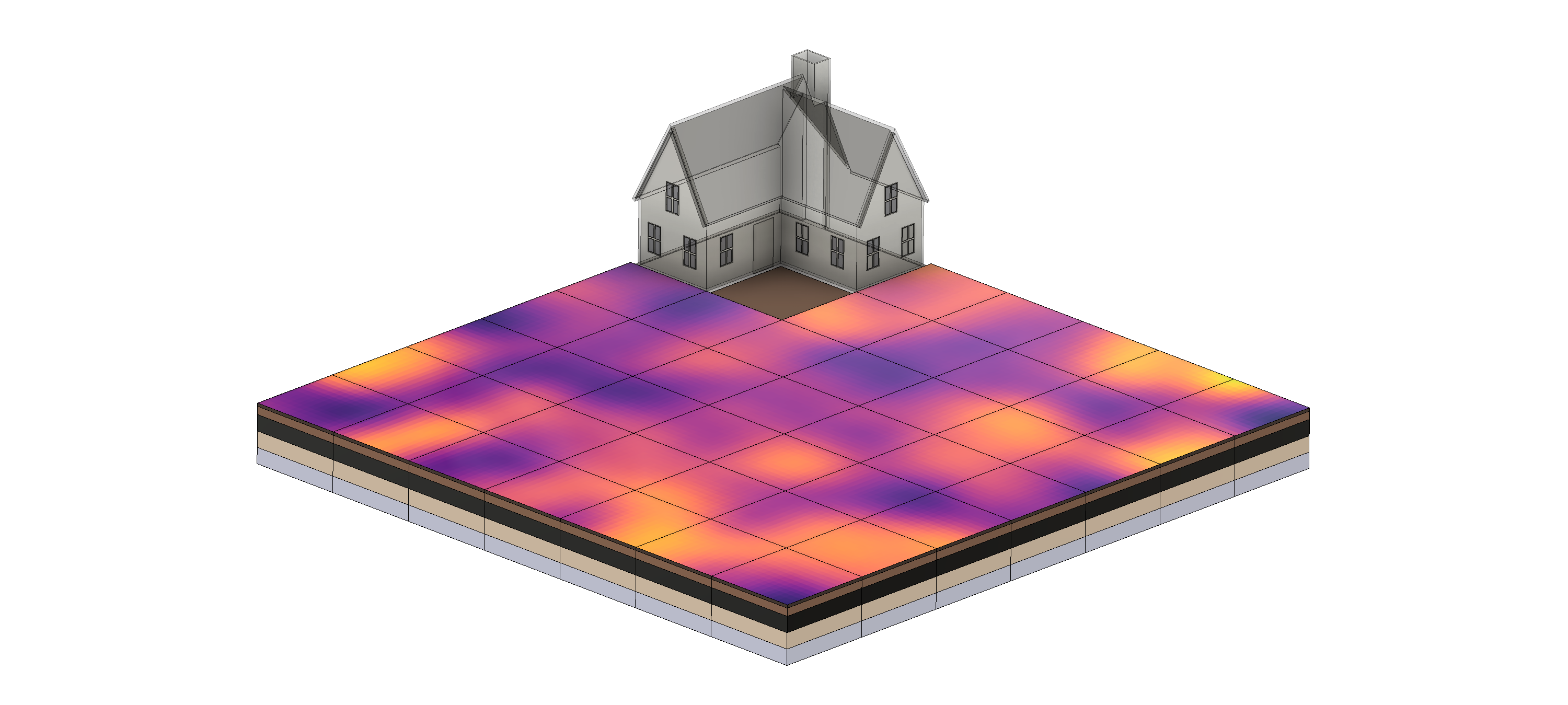
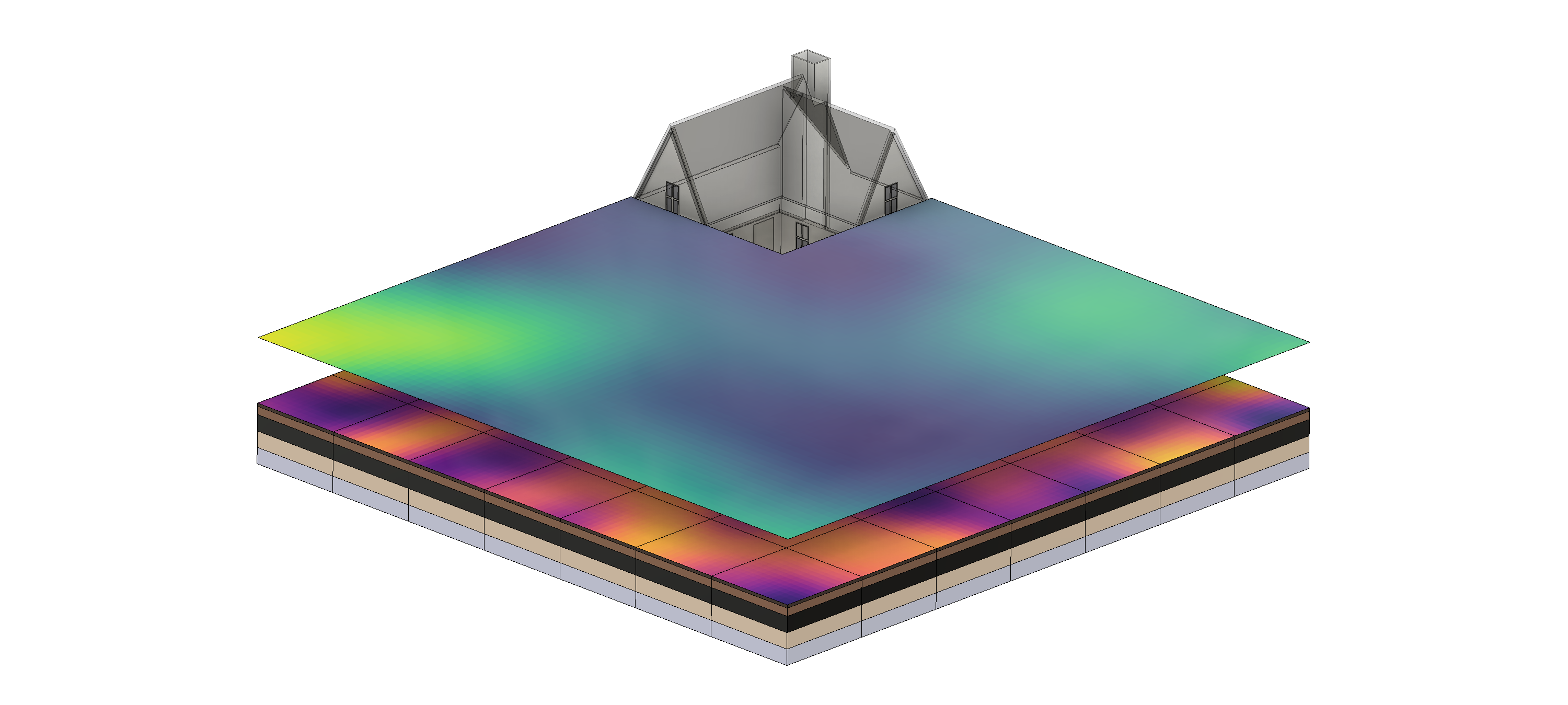
Economic Waste
US farms waste an average of $125 per acre[4] on unnecessary nitrogen fertilizer for corn. Across a 560-acre operation, that's $70,000 per year going into the ground unused, not into yield. With nitrogen markets subject to extreme price volatility driven by energy costs and geopolitical supply disruptions,[5] improved fertilizer efficiency is also a matter of US food security.
Environmental Damage
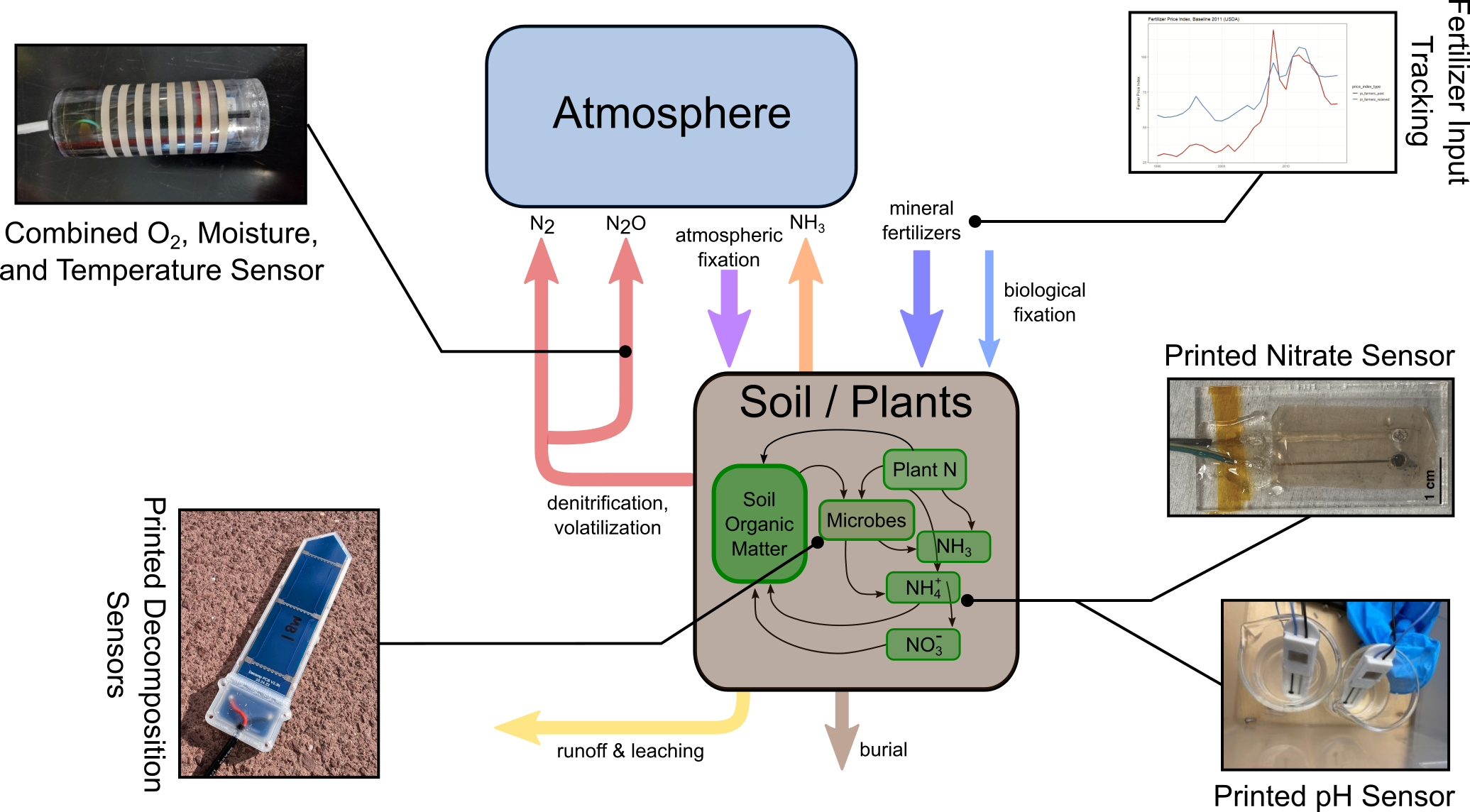
Excess nitrogen leaches into groundwater and surface water, causing toxic algal blooms and dead zones.[6] It also escapes as nitrous oxide (N2O), a greenhouse gas 273–300× more potent than CO2.[7] Nitrate contamination further threatens drinking water safety and drives up municipal water treatment costs.[8] Fertilizer application must be tailored to sites to protect ecosystem health.[9]
No Real-Time Visibility
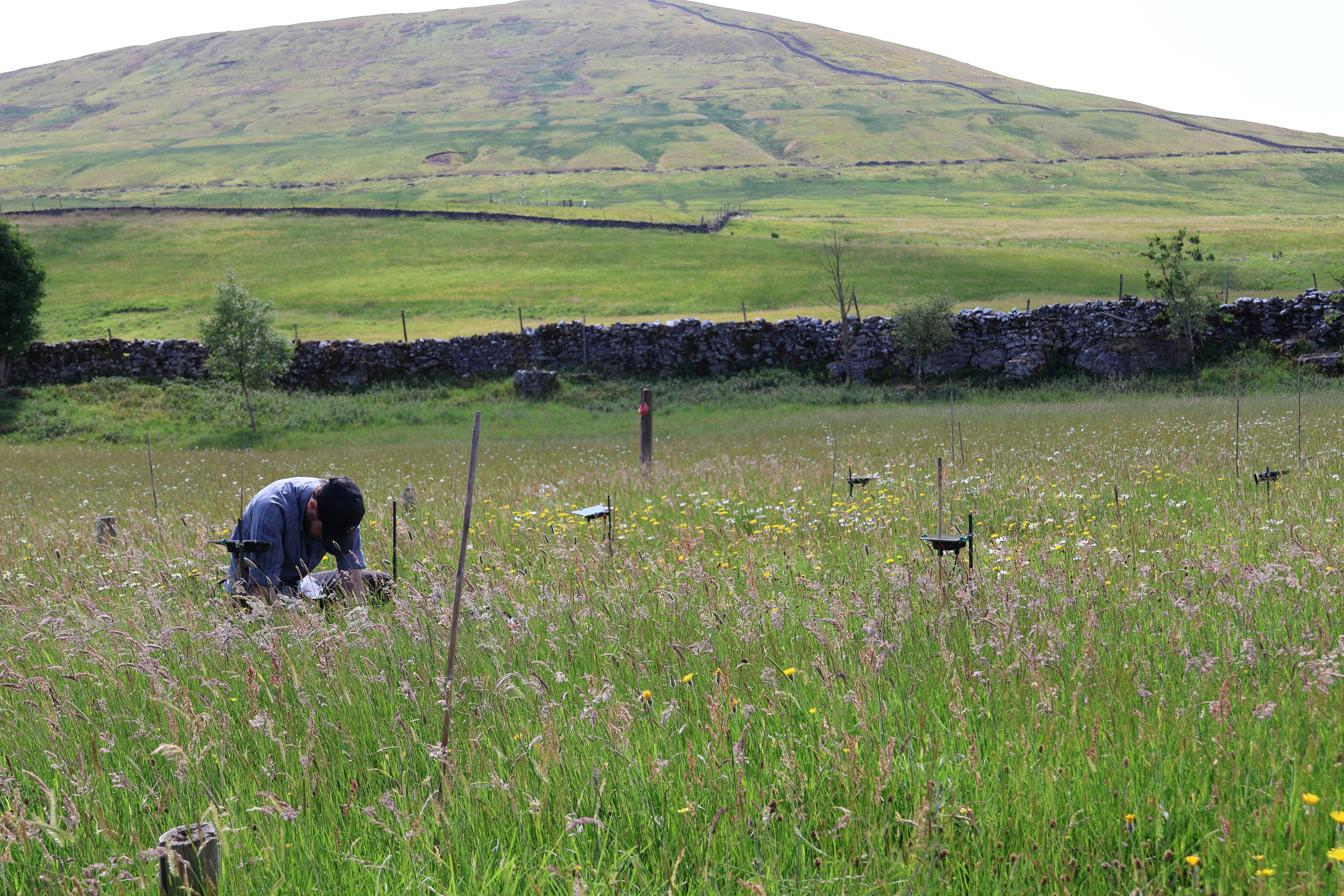
US farmers make billions of dollars worth of fertilizer decisions based on data that's months or years old.[10] Farmers already use testing kits, lab services and visual inspection to try to track their soil health.[11] In-situ sensors and digital twins can unlock new frontiers from precision agriculture to smart agriculture.[12]
Disrupt the Soil Testing Market
The $1.1B US soil testing market is ripe for disruption. Today's standard is slow, expensive lab testing: $20 per sample, 7–21 day turnaround, no real-time feedback, and hazardous reagents. Low-cost benchtop soil testing kits are already beginning to replace lab services, but they remain manual and colorimetric.
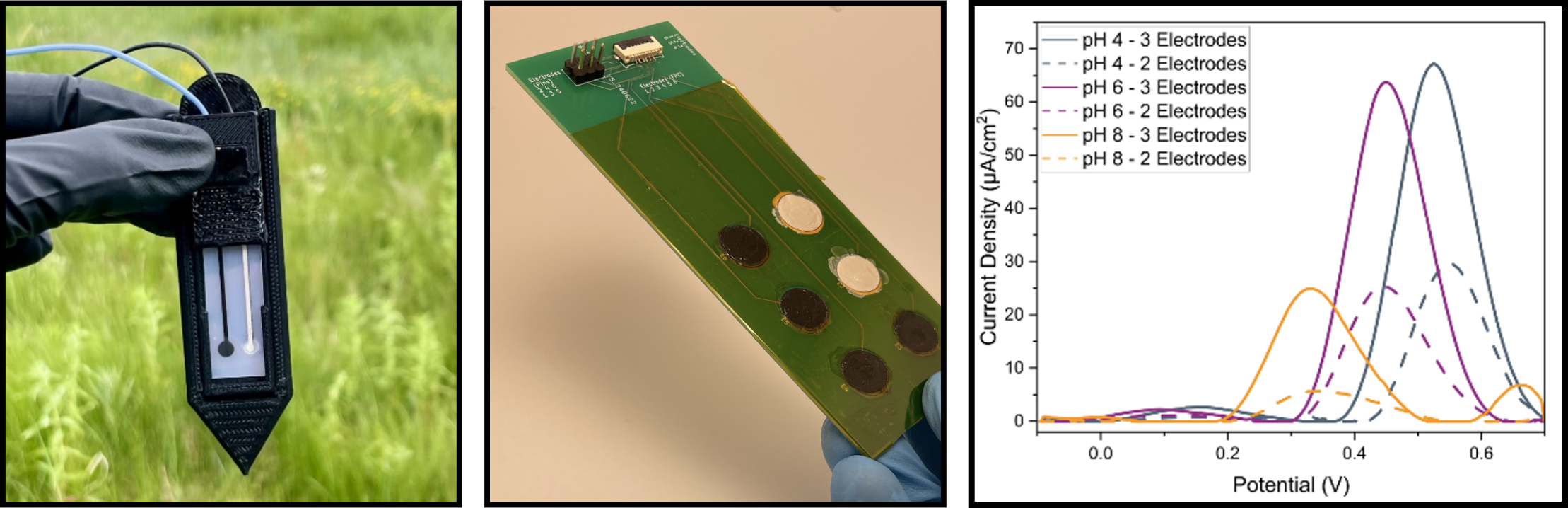
Tierra Metrics replaces this workflow with IoT-connected printed sensor kits. This means rapid, accurate nitrate and pH measurements at a fraction of legacy sensor or lab processing cost, with GIS-mapped results delivered instantly to any device. No lab. No wait. No reagents.
- $0.70 printed nitrate sensor, far below any competitor
- Field or benchtop deployment on the same sensor platform
- IoT telemetry + GIS mapping built in
- Generates revenue and builds the training dataset for our AI model
Farm Digital Twin
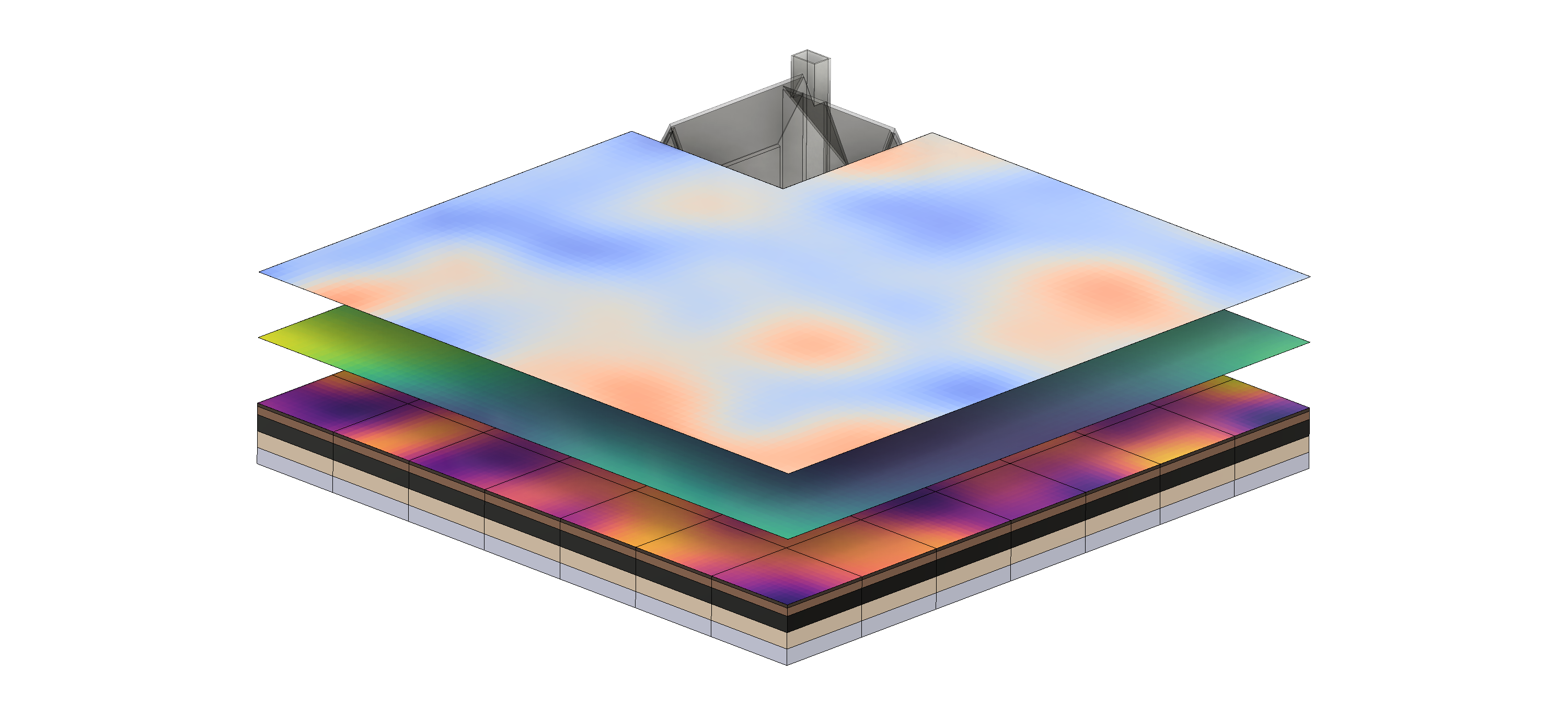
Revenue from Phase 1 funds the development of our most powerful offering. Field data collected through IoT sensor deployments trains our machine learning models to build a real-time nitrogen cycle digital twin for each farm.
The digital twin fuses sensor data, remote sensing, historical records, and fertilizer pricing to generate zone-level application recommendations, telling growers exactly where and when to apply nitrogen, and how much. Variable-rate application cuts fertilizer use 20–40% with no yield penalty.[13]
- Spatial ML model of soil nitrogen dynamics
- Per-quadrant fertilizer recommendations
- Remote sensing + sensor data fusion
- Verified emissions data for carbon credit eligibility
Phase 1: IoT Test Kit Hardware
Sensor kit sales to soil testing labs, agronomists, growers, and government entities. Printed ISE sensors for nitrate and pH at radically lower cost than existing options. IoT-enabled with built-in GIS data logging. Designed for both benchtop and in-field use.
Phase 2 · Digital Twin SaaS
Annual subscription for the Tierra Metrics precision ag platform: AI recommendation engine, spatial digital twin, variable-rate application map exports, and remote sensing data fusion. Co-designed with farmers. Priced per acre, scaling with farm size.
Carbon Credits
Verified reduction in N2O emissions unlocks carbon credit revenue through voluntary and compliance carbon markets. MRV data is provided directly by our sensor network, a unique advantage over competitors without continuous in-situ monitoring.
Enterprise & Government
Custom sensor platforms for food and land-based corporations monitoring supply chain sustainability, and for state and federal agencies tracking agricultural pollution and emissions. Larger contract revenue per engagement.
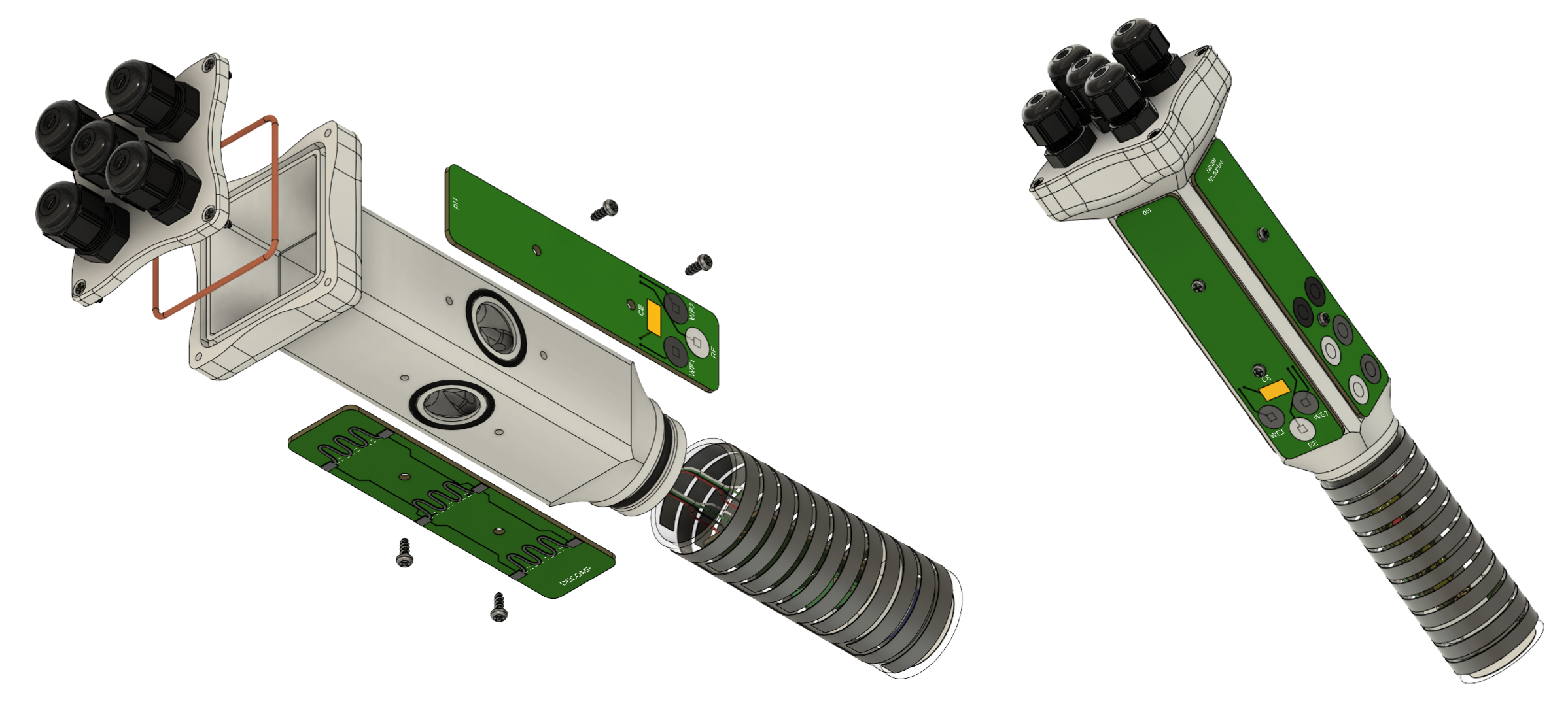
Tierra Metrics Smart Stake
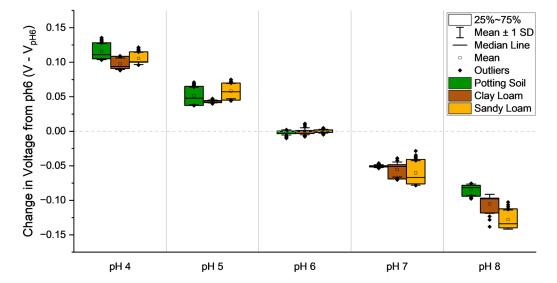
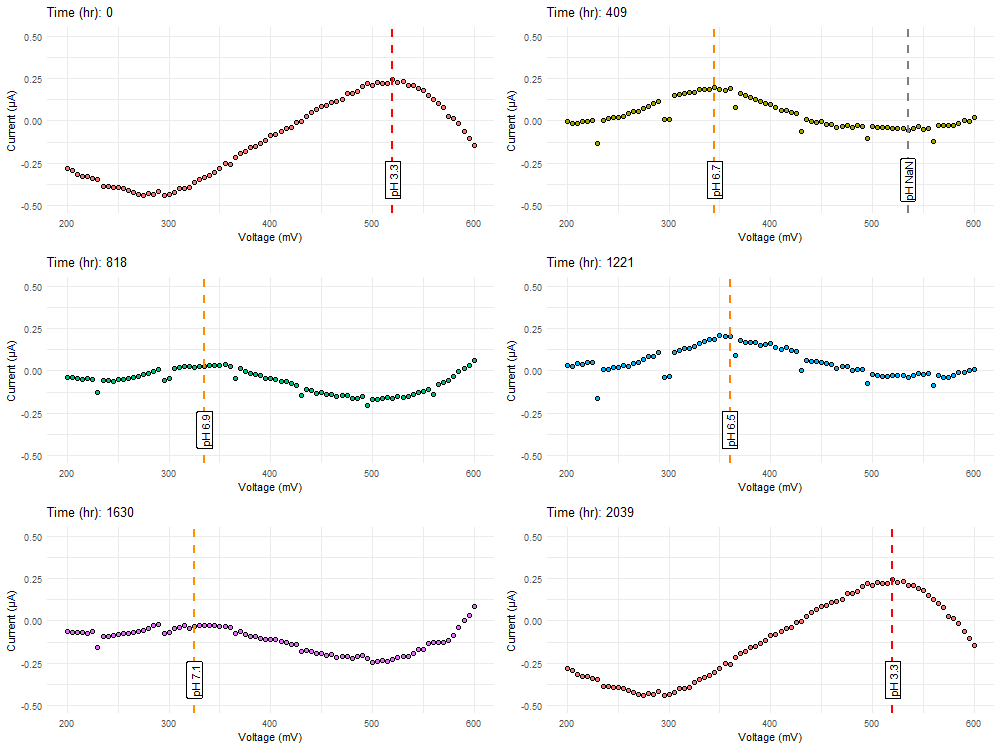
- Screen-printed ion-selective electrodes for nitrate & pH. No lab needed
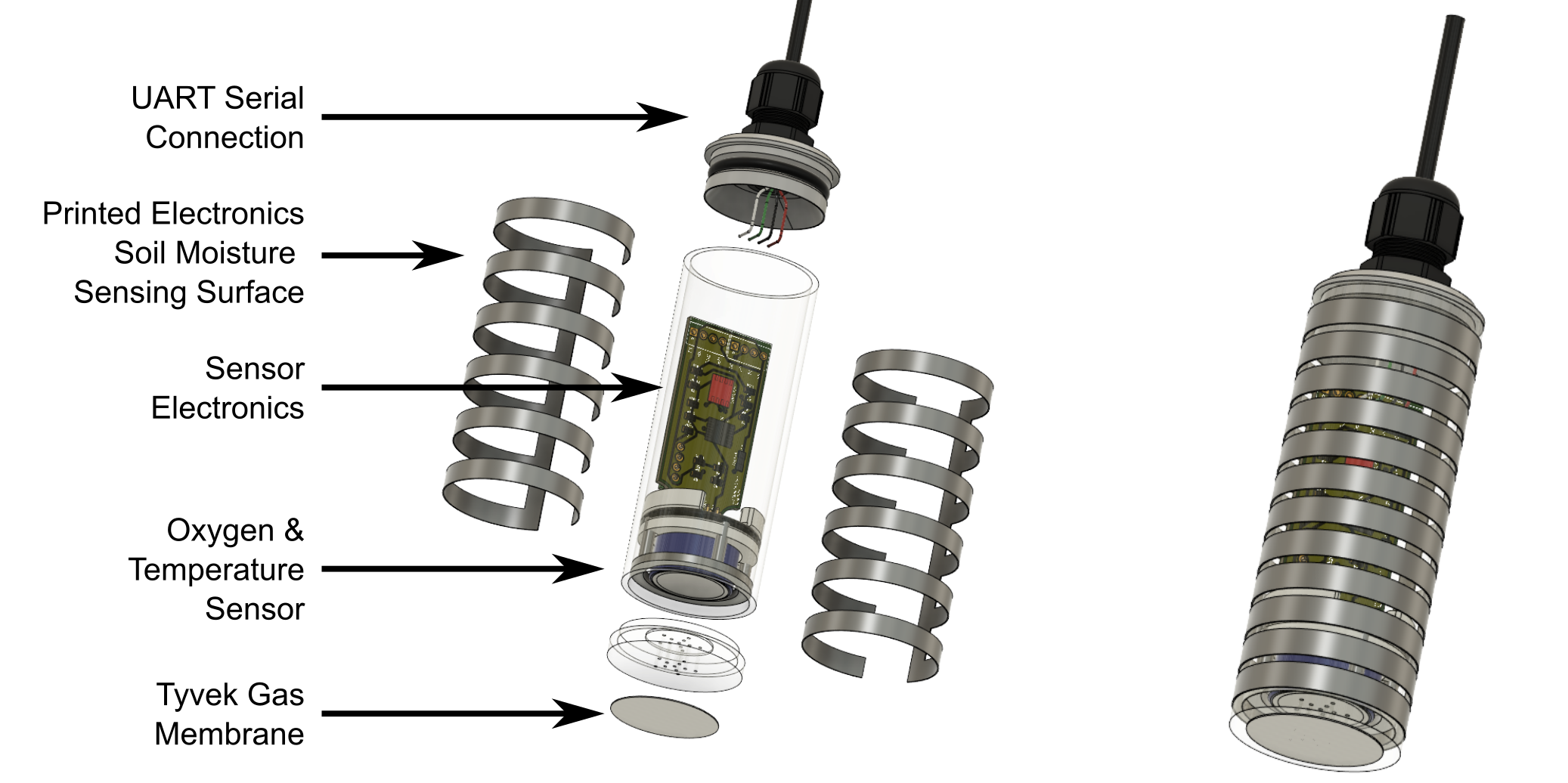
- Integrated moisture, temperature & O2 in a single probe allow for rapid emissions estimates
- Continous in-situ readings at configurable frequency
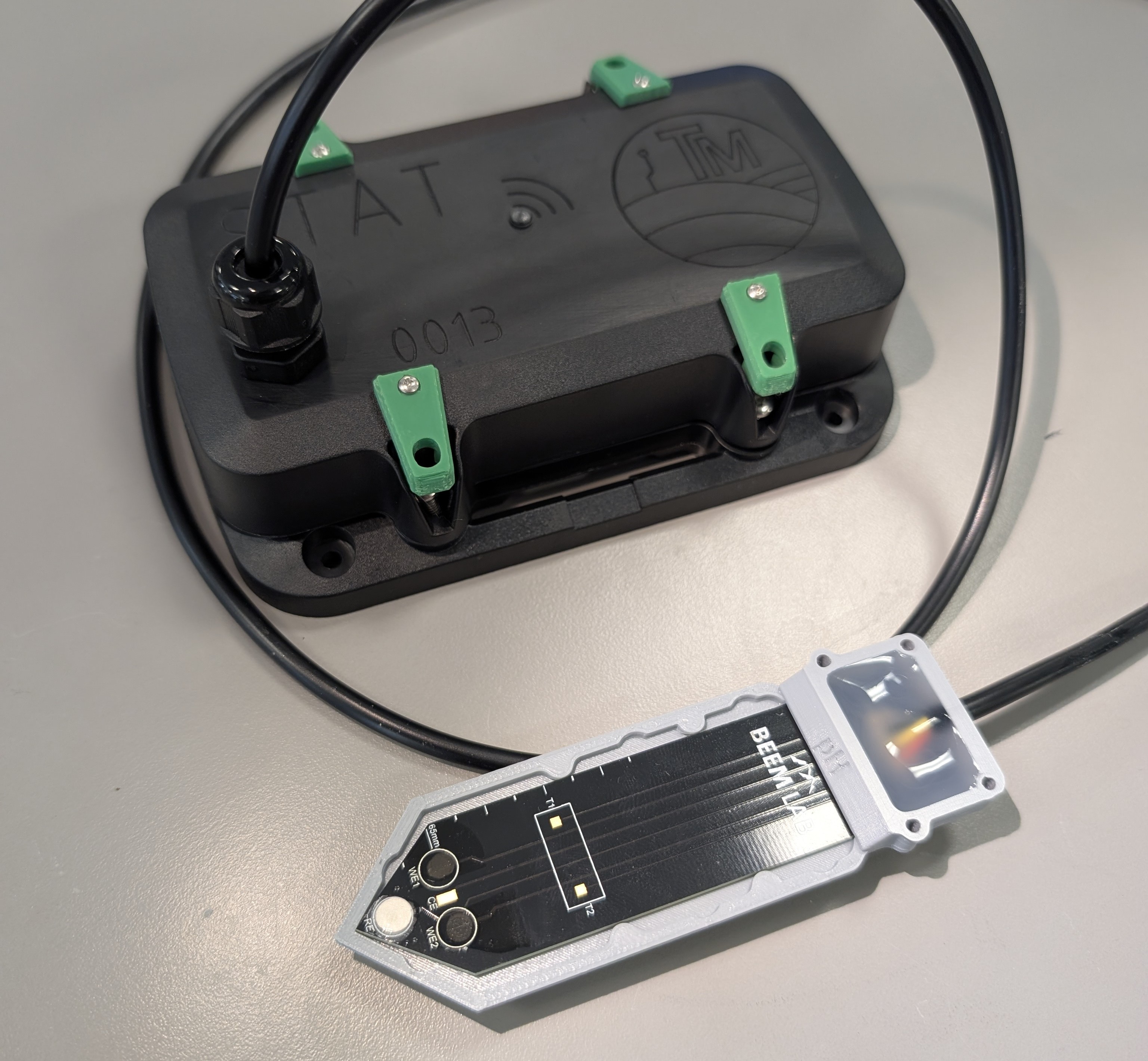
- ESP32 telemetry · low power · remote field compatible
- Unit economics enable dense field-wide deployment
- AI platform generates actionable VR application maps
- Optimized, low cost and low power potentiometric readout platform
Legacy / Competitors
- Expensive lab soil tests mean days to weeks for results
- Annual or seasonal sampling only. No real-time data
- High per-sensor cost limits coverage to a few points per field
- No in-situ nitrate or pH sensing. Moisture & temperature only
- No integrated AI analytics or fertilizer recommendations
- No verified emissions data for carbon credit eligibility
- Expensive, bespoke deployments required for in-situ data
- [1]USDA National Agricultural Statistics Service. 2022 Census of Agriculture. Released February 2024. nass.usda.gov
- [2]Zhang, X. (2017). A plan for efficient use of nitrogen fertilizers. Nature 543(7645), 322–323. doi.org; Cassman, K.G., Dobermann, A. & Walters, D.T. (2002). Agroecosystems, nitrogen-use efficiency, and nitrogen management. Ambio 31(2), 132–140. pubmed.ncbi.nlm.nih.gov; Omara et al. (2022) Agriculture, Ecosystems & Environment. sciencedirect.com
- [3]USDA NASS. Farm Production Expenditures 2022 Summary. 2023. nass.usda.gov
- [4]USDA Economic Research Service. Commodity Costs and Returns (historical average 2006–2021). ers.usda.gov; Carlson, B. (2024, April 24). Are you overspending on fertilizer? University of Minnesota Extension. extension.umn.edu
- [5]USDA ERS. Drivers of Fertilizer Markets: Supply, Demand, and Prices, ERR-354. 2024. ers.usda.gov; Bekkerman, A., Brester, G.W., & Ripplinger, D. (2020). The History, Consolidation, and Future of the U.S. Nitrogen Fertilizer Production Industry. Choices 35(2), 1–7. doi.org; Adjesiwor, A.T. & Islam, M.A. (2016). Rising nitrogen fertilizer prices and projected increase in maize ethanol production: the future of forage production and the potential of legumes in forage production systems. Grassland Science 62(4), 203–212. doi.org
- [6]U.S. EPA. Nutrient Pollution: The Effects — Dead Zones and Harmful Algal Blooms. epa.gov
- [7]U.S. EPA. Understanding Global Warming Potentials. (IPCC AR6: 273× over 100 yrs; prior IPCC reports: ~298×.) epa.gov; Silver, W., Anthony, T., Kwong, C. & Ponomareva, A. (2023). Reducing Food Waste and Improving Fertilizer Efficiency in the US and China. CCCI, UC Berkeley. ccci.berkeley.edu
- [8]Keeler, B.L., Gourevitch, J.D., Polasky, S., Isbell, F., Tessum, C.W., Hill, J.D. & Marshall, J.D. (2016). The social costs of nitrogen. Science Advances 2(10), e1600219. doi.org
- [9]Schulte-Uebbing, L.F., Beusen, A.H.W., Bouwman, A.F. & de Vries, W. (2022). From planetary to regional boundaries for agricultural nitrogen pollution. Nature 610(7932), 507–512. doi.org
- [10]USDA NRCS. Sampling Soils for Nutrient Management (standard 3–4 year testing cycle). 2022. nrcs.usda.gov
- [11]USDA Economic Research Service. Soil Testing and Farm Management Practices. 2019. ers.usda.gov
- [12]Cesco, S., Sambo, P., Borin, M., Basso, B., Orzes, G. & Mazzetto, F. (2023). Smart agriculture and digital twins: Applications and challenges in a vision of sustainability. European Journal of Agronomy 146, 126809. doi.org
- [13]Zelenák et al. (2021). Evaluation of variable rate nitrogen fertilization scenarios. Soil & Tillage Research 214. sciencedirect.com; Frontera et al. (2025) Frontiers in Agronomy. frontiersin.org; Mueller, N.D., West, P.C., Gerber, J.S., Macdonald, G.K., Polasky, S. & Foley, J.A. (2014). A tradeoff frontier for global nitrogen use and cereal production. Environmental Research Letters 9(5), 054002. doi.org; Ren, K. et al. (2022). Optimizing nitrogen fertilizer use for more grain and less pollution. Journal of Cleaner Production 360, 132180. doi.org
- [14]Ecosystem Marketplace. State of the Voluntary Carbon Markets. 2022. ecosystemmarketplace.com
- [15]Precedence Research. US Nitrogenous Fertilizer Market. 2025. precedenceresearch.com
- [16]P&S Market Research. U.S. Precision Agriculture Systems & Services Market Size, and Growth Report, 2032. 2024. psmarketresearch.com
- [17]SNS Insider. Soil Testing Equipment Market Size & Forecast. 2025. (US market valued at USD 1.12 billion in 2024.) globenewswire.com